
*Day 10 – November 3, 2025: Jiuhua Mountain – A Sacred Summit in the Clouds*


Today’s journey to *Jiuhua Mountain (九华山)* felt like a crystallization of a theme that’s been unfolding throughout this trip: *China’s tourism is deeply rooted in its mountains*, each one steeped in history, spirituality, and poetic symbolism. Jiuhua Mountain, in particular, stands out not only for its natural beauty but for its profound *Buddhist significance*.




---
*🏞️ Morning: Ascending Jiuhua Mountain*
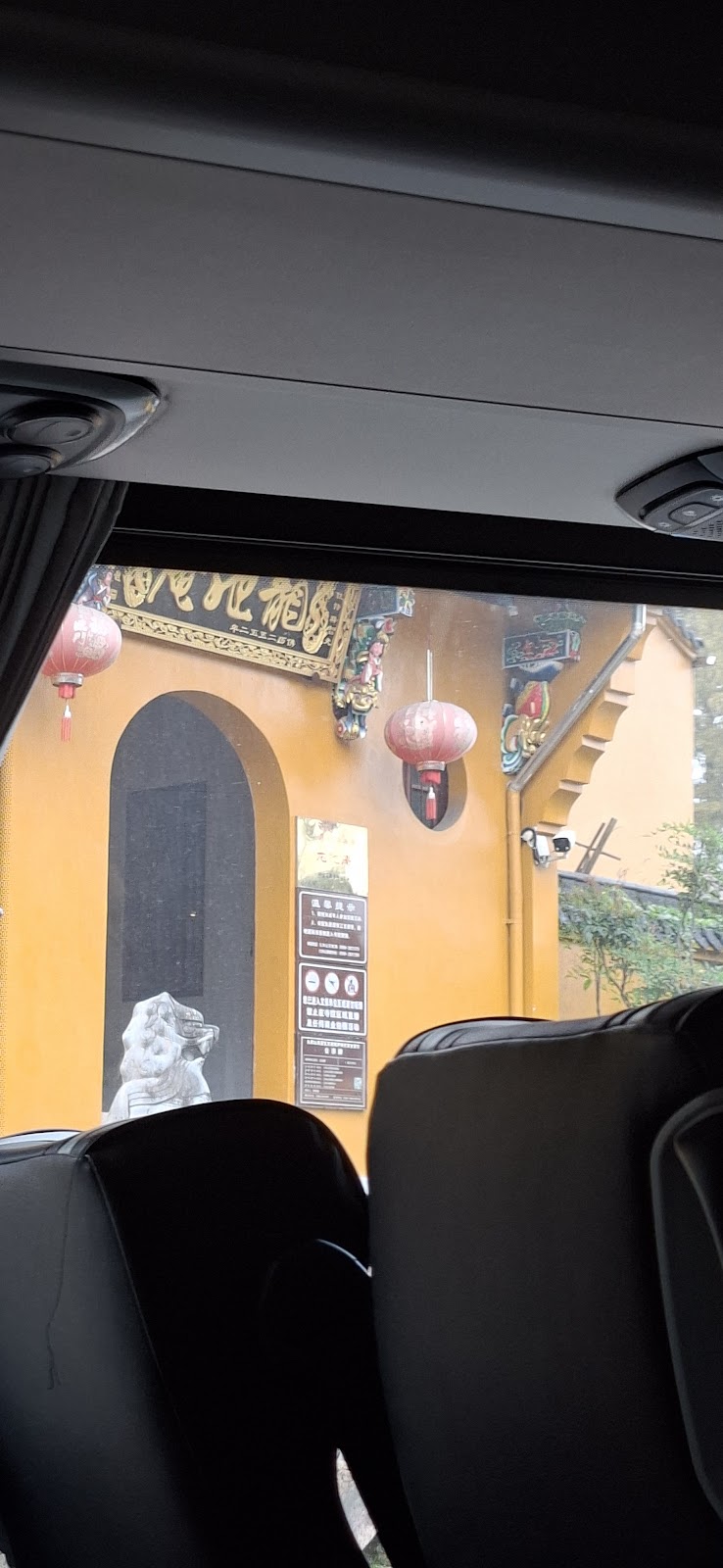
We left the ship around *8:30 AM*, embarking on a long and winding road that snaked through *Anhui Province’s* lush terrain. The drive itself was scenic—dense forests, mist-covered ridges, and occasional glimpses of temple rooftops peeking through the trees.
Jiuhua Mountain is one of *China’s Four Sacred Buddhist Mountains*, dedicated to *Ksitigarbha Bodhisattva*, the guardian of the underworld. The mountain’s name, meaning “Nine Glorious Mountains,” was inspired by the poet *Li Bai*, who likened its nine peaks to lotus blossoms.




To ease the climb, we boarded a *funicular railcar* that carried us to a higher elevation. The ride offered sweeping views of the valley below and brought us closer to the heart of the mountain’s temple complex.
---
*🛕 Midday: Temples and Vegetarian Traditions*
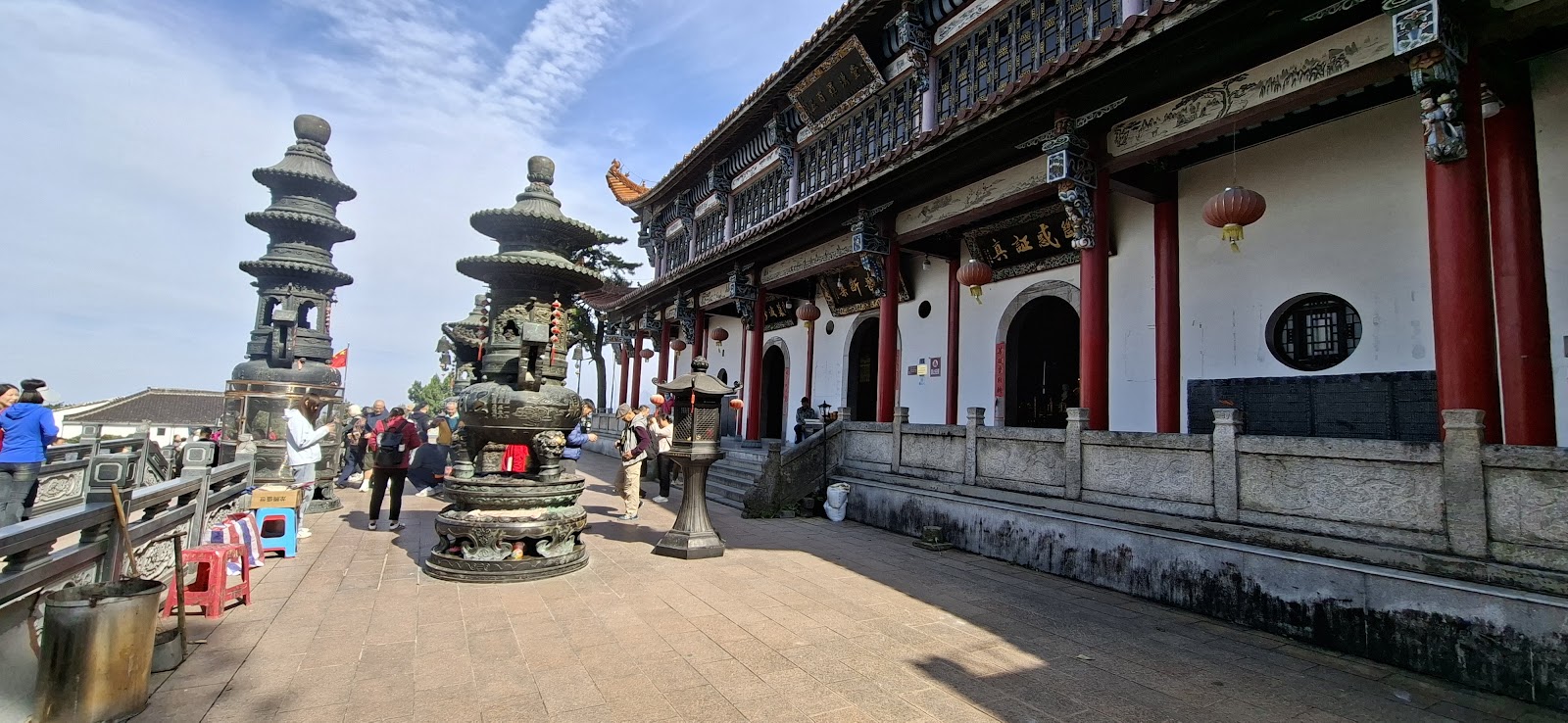
At the summit, we explored several temples nestled among the peaks. The architecture was serene and ornate—red pillars, golden statues, and incense drifting through the air. Monks moved quietly through the courtyards, and pilgrims lit candles in reverence.
Being in a *Buddhist area*, the food served here adheres strictly to *vegetarian principles*. Our lunch was a peaceful affair, featuring dishes like *braised tofu*, *lotus root*, *wild greens*, and *steamed buns*. It was a refreshing change from the cruise fare and a gentle reminder of the spiritual atmosphere surrounding us.
--
*🕓 Afternoon: Return to the Ship*
After a full day of walking, sightseeing, and quiet reflection, we made our way back down the mountain and returned to the ship around *4:00 PM*. The descent was just as scenic, with the late afternoon light casting golden hues across the landscape.

---
*📝 Reflections*
Jiuhua Mountain offered more than just views—it provided a window into *China’s spiritual heritage*, where *nature and belief intertwine*. The Chinese have a remarkable ability to see *human and divine forms in the shapes of mountains*, and Jiuhua is a perfect example of that poetic vision.
Today was long and physically demanding, but deeply rewarding. As the cruise continues, the mountains we’ve visited seem to form a spiritual thread through the journey—each one a chapter in China’s living story.


No comments:
Post a Comment